Printing Restaurant Menus in Japan: What Foreign Owners Need to Know
Bilingual menus, allergen labelling, photo-led layouts that work for tourists, paper choices that survive a Tokyo summer — a practical guide for foreign-run restaurants in Japan.
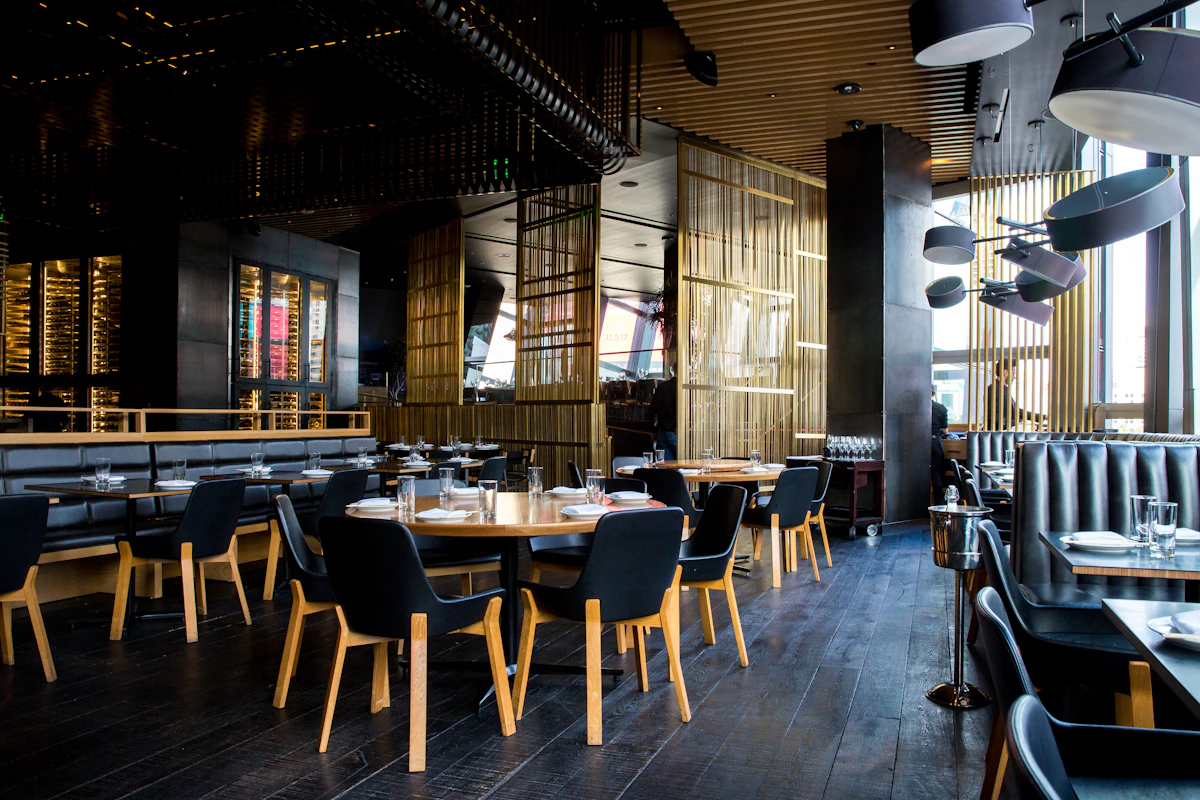
Foreign restaurateurs in Japan face an interesting challenge: you've built a concept that works, you have your suppliers, your kitchen runs — and now you need menus that speak to two audiences (Japanese diners and overseas tourists) without losing your brand voice. Here's what actually works on the ground.
Menu formats common in Japan
- Laminated single sheet (A4 or A3) — durable, wipeable, perfect for casual lunch menus and family restaurants.
- Stitched booklet (4–16pp, A5 or B5) — for restaurants with seasonal sections, drinks lists and full course menus.
- Table tents — small triangular cards on the table for daily specials, allergens, or QR-code ordering links.
- Saddle-stitched lookbook — for higher-end venues. Photographic, magazine-style, kept like a small souvenir.
- Tablet menus — increasingly common for chains, but printed backup is still expected by Japanese diners.
Bilingual: which language gets the visual weight?
If your venue is in Tokyo's tourist-heavy areas (Shibuya, Asakusa, Roppongi), English-prominent with smaller Japanese works well. In residential or business districts, lead in Japanese with English subordinate. Either way, never put English so small that older Japanese diners can't read it — eyesight and English literacy don't align well in the 60+ demographic, and that's a key audience.
Don't translate — localize
Direct translation produces menus that read as awkward to both audiences. Localise instead:
- Portion sizes: Japanese diners expect smaller portions than Western standard. A 'large' salad in your home country might be a 'sharing platter' in Tokyo.
- Ingredient names: 'cilantro' is パクチー (pakuchi) in Japanese — note this. Some Western herbs have no common Japanese name and need a short description.
- Spiciness levels: use 辛 (kara) symbols. One symbol = mild, three = serious. Japanese diners read this expectation carefully.
- Cooking method: yakitori-style, tempura, sashimi-cut. These words exist in English now and add specificity.
Allergen labelling: the legal piece
Japan's Consumer Affairs Agency (消費者庁) requires labelling of seven core allergens (eggs, milk, wheat, peanuts, buckwheat, shrimp, crab) and recommends labelling for an additional 21. Restaurants are legally bound for packaged take-home items but most also display on dine-in menus. We help you build a small allergen icon system that fits your brand without making the menu look like a government form.
Paper and finish choices that survive a Tokyo summer
- Lamination (matte preferred over gloss) — wipes clean, resists humidity, lasts 6–12 months in heavy use.
- Synthetic paper (Yupo) — fully waterproof, slightly more expensive but lasts years.
- Saddle-stitched booklets — use 130–150gsm coated covers and 100–115gsm uncoated interior for a balance of durability and feel.
- Avoid uncoated stocks for primary menus — they absorb soy sauce and oil within a week.
Photo menus: the secret weapon for tourist-heavy areas
If 30%+ of your traffic is overseas tourists, a photo menu massively increases throughput. Tourists point at what they want; staff don't have to translate; orders are accurate; satisfaction is higher. Even Michelin-starred sushi places now keep a photo menu for international guests. Invest in two hours of professional food photography — it pays for itself in three weeks.
Seasonal updates: build a template, not a one-off
Japanese restaurant culture rewards seasonality. We typically build clients a master InDesign or Figma file with locked brand elements and editable seasonal sections. New season comes? Swap text and a few photos, re-print. Costs ¥2,000–¥4,000 to refresh 50 menus instead of redesigning each time.
Need menus that handle bilingual diners, look on-brand, and survive a year of service? Use our pricing configurator on the homepage for instant quotes on lookbook menus, laminated cards and booklets — or message on WhatsApp with photos of menus you like, we'll match the paper and lamination.